 Skip to content
The world-wide pandemic transformed the restaurant industry in a manner that would not have been anticipated by many. Especially the independent restaurants had significant challenges in operations, both due to lockdown restrictions, and the evolving customer expectations. But numerous small businesses showed incredible strength through shifting its service model and adopting innovativeness. By learning the ways in Which Independent Restaurants are Adapting to the New Normal Post-Pandemic, one learns that flexibility and creativity saved restaurants and even made them successful in a changed dining environment.
The modern restaurant experience appears not to be the same as it was before the pandemic with technology, convenience, and trust to customers becoming the most important factors.
Transforming customer expectations.
Safety, convenience, and flexibility are the new criteria that customers are concerned with during their choice of dining places. The eating habits changed to hybrid ones which involve a mixture of face-to-face eating and online convenience.
Modern diners expect:
- online ordering services.
- fast pickup services
- hygiene practices that are transparent.
- adjustable seating.
- Internet interaction with restaurants.
Adjustment into an independent restaurant became impossible without meeting these expectations.
Increased online order and delivery.
The fast development of digital ordering systems has become one of the most significant changes. Independent restaurants that used to have a major deposit on the dine-in service spread to delivery and takeaway format.
Key developments include:
- branded web-based ordering systems.
- collaborations with delivery applications.
- curbside pickup services
- scheduled order systems
These measures enabled restaurants to have revenues even when operations were limited.
In day-to-day functioning, technology usage.
Technology became not only a necessity but also a luxury in most of the independent restaurants.
Common upgrades include:
- online menus available through QR codes.
- point of sale systems based on clouds.
- inventory management Automatized.
- customer loyalty apps
Technology has contributed to enhancing efficiency, as well as making restaurants learn more about the customer behavior, which helps restaurants adjust to long-term independent restaurants.

Redesign menu and efficacy.
Restaurants made their menus more simple to minimize wastes and enhance efficiency in the kitchen. The reduced menu sizes enabled employees to work on quality and reduced time to prepare.
Advantages of simplified menus:
- reduced ingredient costs
- faster service times
- easier inventory control
- improved consistency
Most restaurants also added family meals, meals ideas and specials.
External and mobile restaurants.
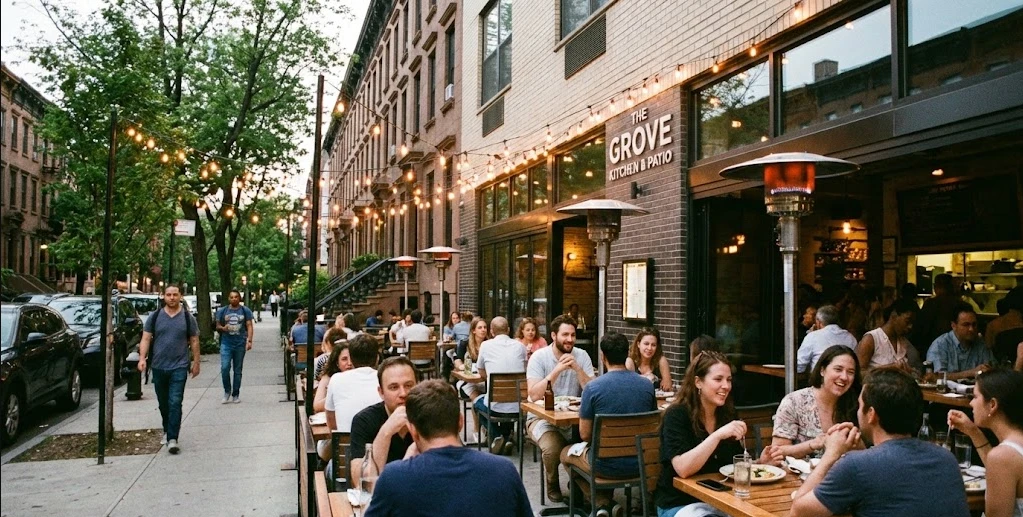
Dining out turned out to be a significant trend during and after the pandemic. Eateries modified their parking spots, sidewalks and patios so as to provide comfortable open-air experiences.
Popular changes include:
- expanded patio seating
- weather-resistant furniture
- provisional open-air buildings.
- better lighting and atmosphere.
These upgrades keep on attracting the customers who are more inclined towards open environments.
Local support and community involvement.
Local communities during the hard times were enhanced by the independent restaurants.
Examples include:
- supporting local suppliers
- organizing community activities.
- working in conjunction with local enterprises.
- popularization of local food culture.
The sense of community became a strong force of restaurant adaptation and loyalty to customers on an independent basis.
Financial corrections and alternative sources of income.
In order to stay afloat, most restaurants increased the sources of income.
New revenue models include:
- subscription meal plans
- branded merchandise
- cooking classes and online events.
- catering and privatizing dining packages.
Diversity minimized dependence on conventional dine in income.
Staffing/workforce modifications.
Restaurants had to reconsider staffing methods as this problem was promoted by labor shortages.
Adaptations included:
- cross-training employees
- flexible scheduling
- repetitive tasks automation.
- enhanced retention strategies amongst employees.
These modifications enhanced the resilience of operations.
Social media and marketing revolution.
Online marketing was needed to be seen and connect with the clients.
The successful strategies include:
- regular updates in social media.
- behind-the-scenes content
- online promotions
- direct customer engagement
Storytelling is a new method that restaurants employ to connect with customers on the emotional level.
Delicious & Wholesome Snacks from Unchained Foods
If you’re looking for better‑for‑you snacks that don’t compromise on flavor, Unchained Foods offers an exciting range of wholesome, protein‑packed options perfect for every lifestyle. From clean ingredient lists to bold, satisfying taste, Unchained Foods is dedicated to helping you snack smarter with products that fuel your day without unnecessary additives. Whether you’re focused on fitness, wellness, or simply crave great‑tasting food, explore the tasty lineup and mission‑driven approach at UnchainedFoods where real ingredients meet real satisfaction.
Post-pandemic restaurant model comparison
| Aspect | Pre-Pandemic Model | Post-Pandemic Model |
| Ordering | Mostly dine-in | Hybrid digital ordering |
| Menu size | Large menus | Streamlined menus |
| Marketing | Traditional ads | Social media focus |
| Seating | Indoor priority | Indoor + outdoor balance |
| Revenue | Single stream | Multiple income sources |
This evolution highlights how How Independent Restaurants are Adapting to the New Normal Post-Pandemic reflects long-term industry change rather than temporary adjustments.
Remaining issues.
Nevertheless, independent restaurants still have to contend with:
- rising food costs
- supply chain disruptions
- staffing shortages
- High costs of operation.
Flexibility is also important to success.
Future prognosis of independent restaurants.
The post-pandemic world focuses on the flexibility and customer-centric experiences. Hotels that combine hospitality and technology are the ones that are bound to stay competitive.
Future trends may include:
- AI-assisted ordering solutions.
- customized food services.
- sustainability-focused menus
- hyper-local sourcing
This trend of innovation will keep influencing the independent restaurant adaptation in the future.
Final thought
The pandemic made independent restaurants reconsider almost all spheres of their work. With creativity, the introduction of technology, and better relations with communities, numerous companies turned adversities into possibilities. The new normal is not the survival but the smarter operations, diversified services, and having a deeper connection with customers. The independent restaurants that are flexible and responsive have a bright chance of surviving in the long run in the dynamic dining industry.
