 Skip to content
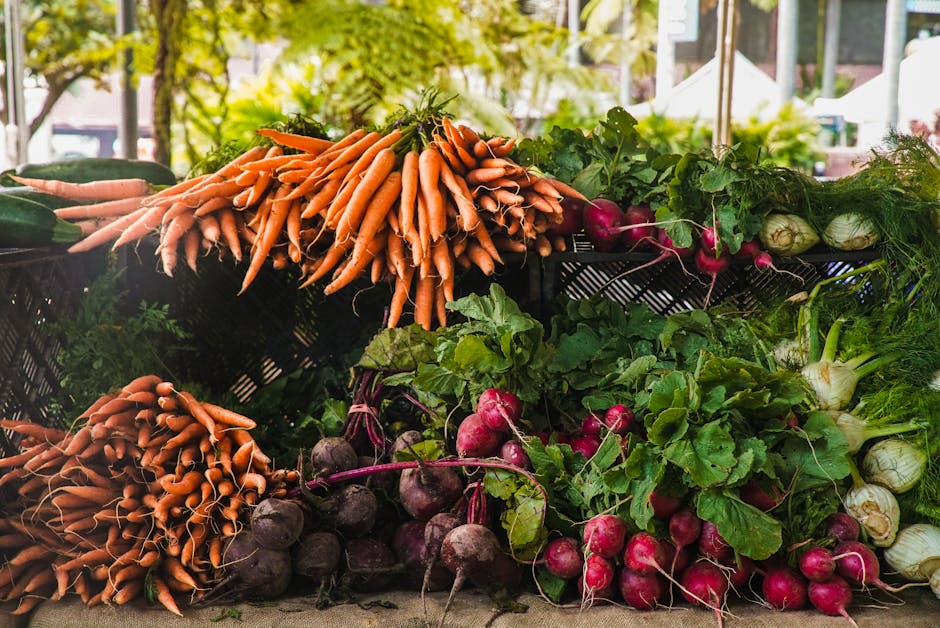
Texas has always had a genuine relationship with its land. Cattle ranchers in the Hill Country, Gulf Coast shrimpers, small farms in the Rio Grande Valley, and produce growers scattered across the state have fed Texans long before farm-to-table became a phrase anyone used. In Houston, that agricultural tradition runs deep, and the independent restaurants that tap into it are doing something worth paying attention to.
Farm-to-table is one of those terms that gets used so loosely it can lose its meaning entirely. For Houston’s independent chefs and restaurateurs, though, it usually describes something concrete: real sourcing relationships, seasonal menus that actually change, and food that tastes like it came from a specific place rather than a distribution center. This guide covers what genuine farm-to-table dining looks like in Houston, why independent restaurants are best positioned to deliver it, and how to find those spots in a city this size.
Farm-to-Table in Houston: More Than Just a Trend
Houston sits within reach of some of the most productive agricultural land in the country. The Gulf Coast provides fresh seafood that can be on a plate the same day it was caught. Texas ranch land produces beef, pork, and lamb from producers who are, in many cases, just a few hours from the city. Hill Country farms grow herbs, vegetables, and specialty produce that find their way into kitchens across Houston’s independent dining scene.
When a Houston restaurant says its menu is farm-to-table, that claim has a real foundation to stand on. The supply chain is actually there. The question is whether a given restaurant is actually using it, or just using the language because it tests well with customers.
The honest answer is that the term separates into two camps quickly once you start paying attention. One camp has named farm partners, menus that list sourcing specifically, and dishes that shift when a particular ingredient goes out of season. The other camp has the word “local” on the menu but buys the same commodity produce as everyone else. Knowing which is which saves you both money and disappointment.
What Separates Real Farm-to-Table from the Label
The clearest indicator of a genuine farm-to-table restaurant is specificity. A restaurant that actually has sourcing relationships will tell you which farms it works with. Not “local farms” as a vague gesture, but actual names: a ranch in Fredericksburg, a fishing operation out of Port Aransas, a vegetable grower in Bellville. That specificity is only possible when the relationship is real.
Seasonal menu changes are the second signal. A restaurant genuinely tied to its supply chain cannot keep the same menu year-round without cheating on the sourcing. Gulf shrimp have seasons. Texas peaches have a window. If the menu never changes, the farm-to-table claim probably doesn’t hold up under pressure.
A third indicator is whether your server can answer a basic question about where the food came from. In a restaurant with real sourcing relationships, the kitchen trains the floor on this. It is part of the story they want to tell. If nobody knows the answer, the sourcing likely isn’t something the restaurant tracks closely.
Why Independent Restaurants Lead Farm-to-Table in Houston
Large restaurant chains, no matter how good their marketing, cannot maintain meaningful farm relationships at operational scale. A regional or national chain needs supply consistency across dozens or hundreds of locations. That requirement is fundamentally incompatible with small-farm sourcing, which is inherently variable, seasonal, and relationship-dependent.
Independent restaurants do not have that problem. A single-location chef in Montrose can call a rancher directly, agree to take a specific cut for the week, and build a dish around it by Tuesday. That flexibility is structurally unavailable to any chain operation, regardless of how much the brand invests in local messaging.
There is also a motivation difference. An independent chef’s reputation is attached directly to the food on the plate. The sourcing is personal. It reflects their values, their cooking philosophy, and the dining experience they are trying to create. A chain restaurant’s sourcing decisions are made by a procurement team optimizing for unit economics, not flavor.
This is one of the core reasons local restaurants beat chains on quality at nearly every price point. The incentives are different from the ground up. For farm-to-table dining specifically, that incentive gap is enormous.
Finding Farm-to-Table Independent Restaurants in Houston
Houston is a large, spread-out city with a serious food scene, which makes finding the right spots more work than it should be. Standard search results are cluttered with chains and sponsored content. Review platforms mix independent and chain restaurants without distinction, which makes identifying genuinely local spots more effort than most people want to invest on a weeknight.
Unchained Foods was built specifically to solve this. The app shows only independent restaurants, filtering out every chain by design. If a restaurant appears in Unchained Foods, it is not a chain. That single filter makes it a natural tool for finding farm-to-table spots in Houston, because the restaurants serious about local sourcing are overwhelmingly independent.
In terms of Houston geography, Montrose and Midtown have the highest concentration of chef-driven independent restaurants that prioritize sourcing. The Heights has a growing cluster of independently owned spots. East Downtown has drawn a number of newer independent openings with serious culinary ambitions. Any of these neighborhoods is worth exploring if farm-to-table dining is the goal.
When evaluating a specific restaurant, look for menus that name farms or producers directly. Ask about seasonal availability. If the server hesitates or gives a generic answer, that tells you something. The restaurants genuinely committed to this sourcing model are proud of it and will tell you exactly where your food came from. Call (806) 414-6688 if you want help finding the right spot for your next Houston meal.
Making Farm-to-Table Part of Your Houston Dining Habit
Building a genuine farm-to-table dining habit in Houston takes a small amount of intentionality. A few practical approaches make it much easier to sustain.
Follow the independent restaurants you like on social media. Restaurants with real sourcing relationships post about new deliveries, seasonal specials, and the farms they are working with. That content tells you when something worth trying is available and keeps you connected to what is actually in season.
Visit Houston’s farmers markets and ask vendors directly which restaurants they supply. The Rice University Farmers Market and the Urban Harvest Eastside Farmers Market are good starting points. Vendors talk to their restaurant customers regularly and are often happy to point you toward the kitchens doing the most interesting work with their product.
Making farm-to-table dining a summer habit specifically is straightforward in Houston because the season brings an abundance of Texas produce worth seeking out. Gulf Coast seafood is at its best, Texas peaches and tomatoes have a real window, and independent restaurants are building menus around all of it. Check out the full guide to supporting local restaurants this summer for more ideas on how to make the most of Houston’s independent dining scene in 2026.
The simplest starting point: download Unchained Foods, filter to Houston, and start with a neighborhood you know. Every restaurant in the app is independent by definition. From there, look for menus that mention sourcing, ask a question when you sit down, and let the answer guide you toward the places that are doing this for real. Farm-fresh, chef-driven, independently owned dining is one of the best things Houston has to offer. Unchained Foods makes it easier to find. Download free today at unchainedfoods.com or call (806) 414-6688.
